TELEPHONE: 0845 226 8026
  • Plants by Post & Courier
  • About Us
  • What People Say
  • Plants in Stock
Home  > Caring for Citrus Plants
  • SHOP FOR PLANTS
  • Search All Plants
  • Most Popular

  • Lemon Trees
  • Orange Trees
  • Lime Trees
  • Other Citrus Plants

  • Fruit Bushes
  • Fruit Trees
  • Grape Vines and Kiwis
  • Herb and Chilli Plants
  • Other Edible Plant Gifts

  • Flowering plant gifts
  • Foliage plants
  • Native Tree Gifts

  • Larger Plant Gifts
  • Plant Gifts Under £20
  • Plant Gift Sets
  • OUR SERVICE
  • About Us
  • Latest News
  • Plant Delivery
  • Testimonials
  • Press Releases
  • FAQs
  • Contact Us
  • OUR PLANTS
  • Green Issues
  • Citrus Care
  • Pineapple Care
  • OTHER SERVICES
  • Weddings
  • Business Gifts
  • Plants4Promotions
  • This site uses Streamline Merchant Services

Citrus Trees for Presents

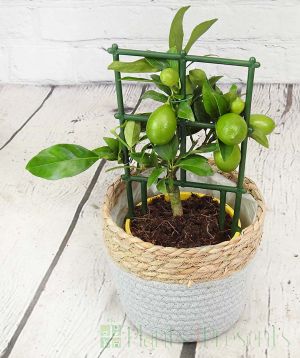
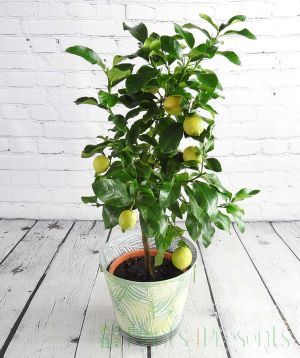
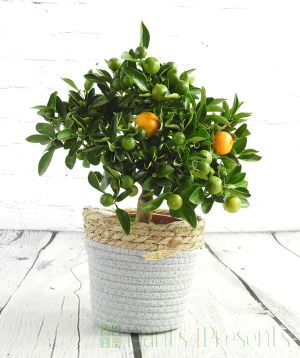
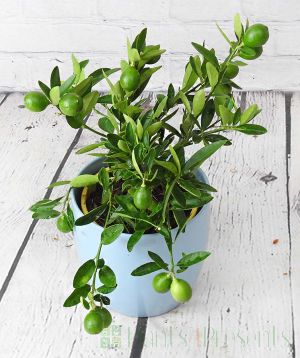
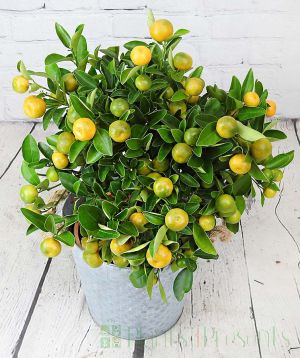
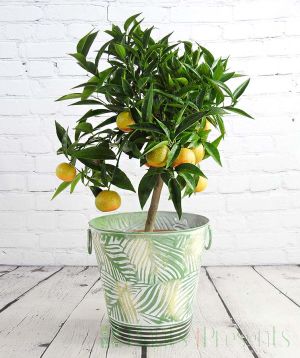
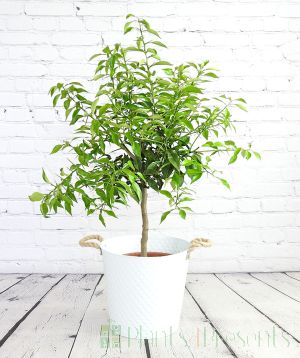
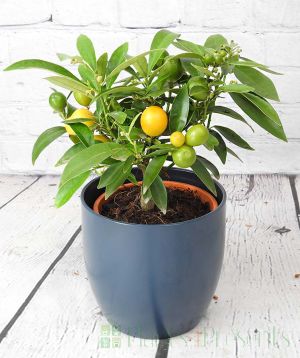
Citrus trees are the ideal present for the plant-lover or the cook. They will thrive in a cool conservatory or light porch, or even a sunny window sill. In the summer months, citrus will love it outside in the garden - and if you are lucky enough to live in a part of the UK with mild winters then you can leave some of the larger, hardier varieties in the garden all year round.

Dwarf Citrus Trees - choosing the right location

Citrus has been grown successfully as houseplants in the UK for hundreds of years. The ideal situation is somewhere with plenty of natural light, but temperatures not varying more than 10ºC from night to day, and where the minimum temperature does not fall below 0-5ºC (depending upon variety).
Young plants and dwarf varieties can be placed on a window sill, or table near a large window - the more light you can give your plant the better..
Keep your plant away from very draughty or windy situations (like near an outside door or passageway), from hot radiators or other sources of dry heat.
Some lemon varieties including lemon Meyers and 4 Seasons can be overwintered in sheltered areas of the UK once they are old enough. We always err on the side of caution when exposing plants to cold temperatures but we have had many reports from the South West and London of Lemon trees doing well outside when trained up walls or kept in pots on sheltered patios.
For all other citrus it is best to keep your trees indoors until temperatures outside do not fall below 8 ºC. Once there is no chance of frost your citrus plants can be moved outside to a warm, sheltered situation and they will enjoy the higher light levels. If and when you do move your plant outside do be aware that a sudden change in light levels can cause 'sunburn'. To avoid this place your plant in a partially shaded spot for a few days before moving into full sun or move it outside for a few hours a day until it has adjusted to its new position. Too dramatic a change in light level can lead to blanching of the leaves and some leaf loss but over time your plant will recover and put on new growth.

Advice on Watering

Watering depends on: Air temperature, wind, location (light/dark situation), size of plant in relation to its pot and type of soil. Most problems with care of citrus trees are related to watering routine. Underwatering causes stress and damage to the roots, overwatering causes root disease. There is a dramatic difference between the amount of water your plant will need in the summer to the winter and this often catches people out leading to overwatering in Autumn and underwatering in Spring.


The trick is to water thoroughly but only when your plant is thirsty. When the surface of the soil dries out on top, remove the plastic pot from any pot cover and basket and water the plant heavily until the water runs freely through the soil and out of the holes in the bottom of the plastic pot. Water at least 10% of the volume of the pot each time and never let the pot sit in water.

  • For a 12cm diameter pot water at least 80ml
  • For a 15cm diameter pot water at least 150ml
  • For a 19cm diameter pot water at least 300ml
  • For a 24cm diameter pot water at least 650ml

Over time you should be able to get into a regular watering routine. You should also find that the weight of the pot is a good guide to whether your plant is thirsty. Things that will affect how much water your citrus tree needs include:-

  • The higher the air temperature the more often your citrus plant should be watered.
  • The more wind or draft around your citrus plant the more water it will be using.
  • If your citrus plant is very big in relation to the size of the pot, then the amount of water the pot will hold will not be enough to keep it going for very long, so it will have to be watered more frequently. In general citrus plants should be 2-3 times the height of the pot. If it is any bigger, the watering becomes more difficult, and you may want to consider potting your plant into a bigger pot (see Repotting)
  • Citrus plants in general need a well-drained soil so you should expect them to need watering more often than a lot of other houseplants.
Does my plant need watering?
  • If the top few centimetres of the soil becomes dry to the touch, then it is time to water your plant.
  • If the leaves start to curl as below, your plant is already starting to show signs of stress and should be watered straight away.
  • After watering you plant, it is a good idea to lift it up and feel the weight of it in your hand. You can then use that as a reference to judge whether the plant needs watering in the future. After a while you will begin to be able to judge quite accurately using this method.

Humidity

  • Your citrus plant will survive happily indoors in centrally heated houses provided it is not too dry.
  • There is a lot of conflicting advice on misting vs not misting citrus trees. We don't mist our trees in the nursery because it is normally fairly damp. We recommend that you only mist your plants if they are in a very dry warm room - otherwise you can increase the chance of developing fungal diseases.
  • If you do have a particularly warm house and you do opt to wet the leaves of your plant then it is best to do this either in the early morning or evening. In full sun, water on the leaves of your plant can act as a magnifying glass and scorch the foliage.
  • If your plant is outside it will adapt to the moister conditions and higher light levels and will cope surprisingly well with wet conditions as long as the roots are able to drain properly.

Feeding

When your Plants4Presents citrus tree arrives it will be well fertilized and should not need any additional feed for the first 4 weeks. After 4 weeks it is a good idea to start using the relevant citrus feed to keep your plant healthy.

  • Most plants including citrus trees benefit from additional Nitrogen, Phosphorus and Potassium and general purpose and houseplant fertilizers contain these in various ratios. Citrus trees however also need high levels of trace elements to keep them healthy including Magnesium, Iron, Boron, Copper and Zinc. These "micronutrients" are generally not available in standard fertilizers, but are contained in specially formulated, high-quality summer and winter citrus fertilizers.
  • Summer citrus feed should be used from April to September and has a higher Nitrogen content to promote healthy plant growth.
  • Winter citrus feed should be used from October to March and has a lower Nitrogen content to concentrate the plants energies on fruit production.
  • You can buy citrus feed (winter and summer feed) directly from our web site ...click here and we will send your citrus feed to you by post or from any good garden centre.

Problem Solving

The trickiest thing with citrus trees is getting the watering right. Overwatering particularly in the winter months results in steady leaf drop, root disease and/or lightening of the leaves. Dropped leaves are normally leathery to the touch but if you hold off and really dry the top of the soil out before watering again you should see a full recovery. Not watering frequently enough or not watering thoroughly enough to ensure that all the roots receive water can result in a sudden and dramatic leaf drop. If you have slipped up and allowed your plant to dry out completely don't despair we have seen even some of the most bare and forlorn specimens come back to life with the right care.

The picture on the right shows an underwatered calamondin. At this point a swift and thorough watering will normally save your plant from losing more than a handful of leaves.

Calamondin leaves showing evidence of underwatering Calamondins often put on a flush of flowers with their new growth following a period of drought. Leaf Chlorosis on a Lemon Meyer
Excess Fertilizer

Using more than the recommended rate of fertilizer will “burn” the roots, and cause irreversible damage, which can then lead to root disease. The first sign of this is browning over the leaf edges.

Lack of Fertilizer

Not enough fertilizer and the leaves become yellow, and can show chlorosis (see above)


Advice on Repotting

When should you repot the plant?

Citrus plants need to be periodically repotted to maintain a healthy plant. In general if your citrus plant is more than 2 times the height of the pot, it should be repotted, If your plant is in a pot smaller than 18cm diameter and has been in the same pot for more than a year it may benefit from repotting Potting should take place in the Spring or early summer when the plant begins to show signs that it is growing. Do not pot the plant up in the late Autumn or winter, since it will not be growing and the roots will not move into the new soil.

What kind of soil?

The size of the new pot should be a large enough to allow a few centimetres of new soil around the edge of the old rootball. Ideally citrus trees should be repotted in citrus compost which will be balanced and free draining. This should be easy to find at any good garden centre, failing this they can be repotted in any well drained mixture that is slightly acid. You can make your own compost by mixing an eracacious compost with peat or bark and adding some extra drainage such as broken pots, perlite, sharp sand or grit. The ideal pH is 5 to 5.5.

Guidance on Repotting

Remove the old pot (Turn the plant upside down and hold it soil in with one hand and pull the pot off with the other) If the roots are extensive, gently pull them away from each other so that they will then be able to move out into the new soil. Put a small amount of soil into the bottom of the new pot, lower the plant into the pot and fill up around the edges, compacting the soil gently with your fingers to make sure that there are no air gaps around the edge. Water the plant thoroughly a few times, to make sure the soil is wet. Older citrus plants can be repotted into the same pot if needed. In this case you should cut away some of the root with a knife or secateurs (approximately a few centimetres), so that when you place it back in the same pot you can fill up around the edges with new soil

Pruning

Pruning citrus trees should generally be done at the end of the summer or in the spring after the first flush of growth. You are aiming to remove any particularly fast growing 'water shoots' and tidy up the overall appearance and bushiness of the tree. You should always use sharp seceteurs and diagonal cuts towards the centre of the tree to increase the bushiness and diagonal cuts away from the centre if it is getting too crowded and needs opening out.

Pruning is not necessary for producing fruit but it does help keep the plant in good shape and keep the branches strong enough to eventually hold the weight of the fruit. To encourage fruit production simply keep your tree in as light a spot as possible and keep up a regular (reduced in winter) watering regime.

Training

Sometimes citrus trees are grown along supporting trelliswork to allow them to bear fruit younger and to form an attractive shape. Over time your plant will eventually outgrow these trellis work and can either be repotted and trained up a larger trellis or slowly trained into a stand alone tree.

In either case once the first crop of fruit has ripened and been harvested you should remove the clips from the outer branches so that they are allowed to spring free of the initial support. You can then either tie these in with clips/or twine to a larger trellis or support or start to train it to stand alone.

When removing the trellis work it is easiest to remove all the ties first then cut out the trellis work removing it in sections starting with the outermost sections first. Then if the plant feels at all unstable you can leave the central stem support for a little while longer whilst it stabilizers. (See illustrations on right).

Advice on Pests

Plants4Presents citrus trees are grafted plants sourced from reputable citrus growers in Portugal, Italy and Spain and it is extremely rare for us to have any problems with fungal diseases or viruses. However like all plants, citrus trees are sometimes susceptible to pests and insects. Checking your plant every few weeks for signs of trouble will allow you to spot and treat problems before they get hold.

  • Aphids - can attack the young shoots and flowers particularly in the Spring and Summer. A general purpose pest spray or even just a washing up liquid and water solution will keep these sap sucking greenfly at bay. It is rare for them to get a good enough hold to do lasting damage to the plant but they can limit flower and therefore fruit production
  • Caterpillars - like aphids these attack the flowers and young shoots. Butterflies lay their eggs in the flower buds and the baby caterpillars can do quite a lot of damage to the flowers and fruit crop if not caught early. A spray or simply removing all chrysalis and eggs by hand will solve the problem.
  • Vine Weevil - adult vine weevil are up to 2cm long and leave jagged marks in the outside edges of the leaves they attack. However it is their larvae that do the most damage though feeding on the roots of a wide range of house and garden plants and weakening them irreversibly. At the first sign of any trouble treat all your pots and houseplants with a nematode solution (See our sister site www.ladybirdplantcare.co.uk for more information on environmentally friendly pest control) and be vigilant for their return.
  • Scale insect - scale is rare but damaging on citrus. Keep an eye out for this round suckers either on the branches or fruit, they will slowly weaken the plant and should be treated immediately with a biological pest control or spray.
  • Mealy Bug - these white fluffy creatures are related to woodlouse. They live in the cracks and crevices of the branches and weaken the plants but it is very rare to find them on citrus. If you do a specialist spray or biological pest control is the best way to treat them.

    For more information on how to care for your Plants4Presents citrus trees or for help with a problem that is not covered here then please do give us a call on 0845 226 8026 and our customer service team will do their very best to help.


  • visit our facebook page facebook
  • Contact Us
  • About Us
  • Security
  • Site Map
  • Links
  • Terms
  • Privacy
  • Design by Denison Design - www.denison.co.uk All images and text on this site are the property of Plants4Presents and cannot be reproduced without permission