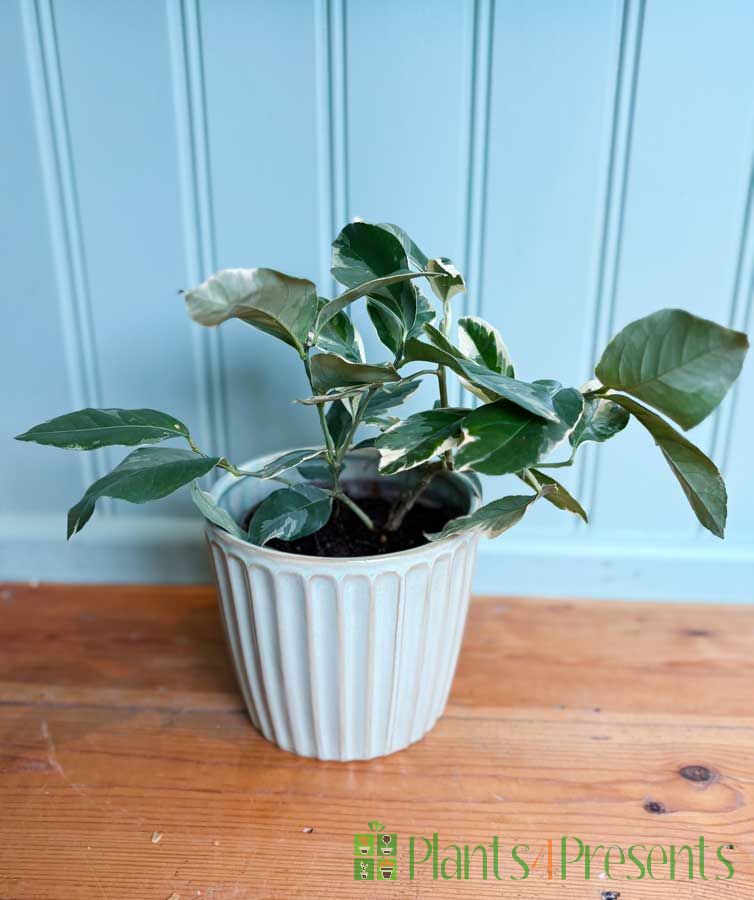
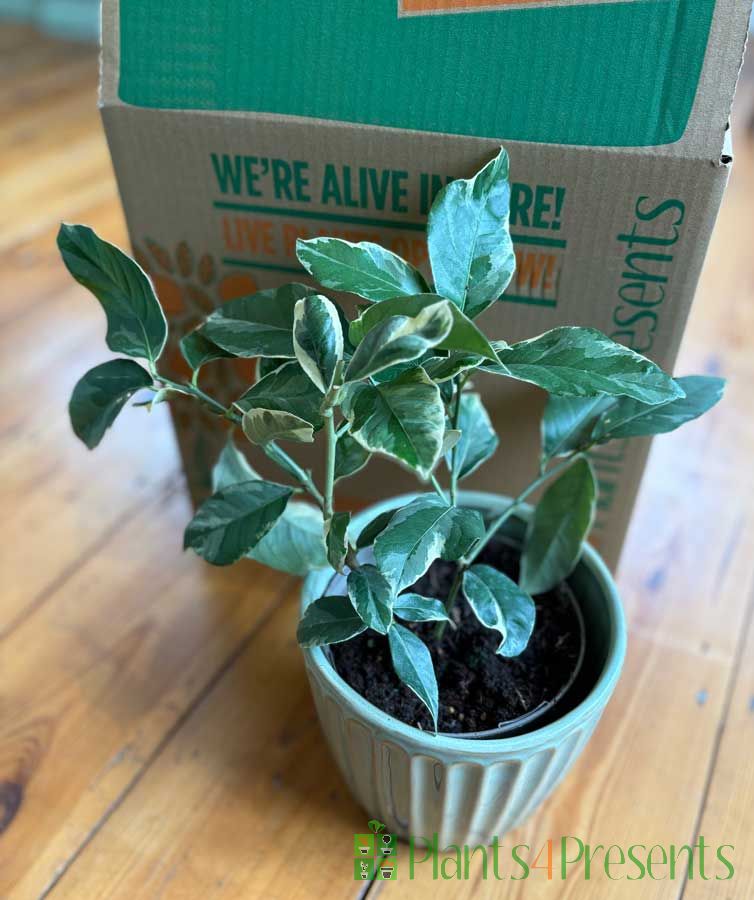
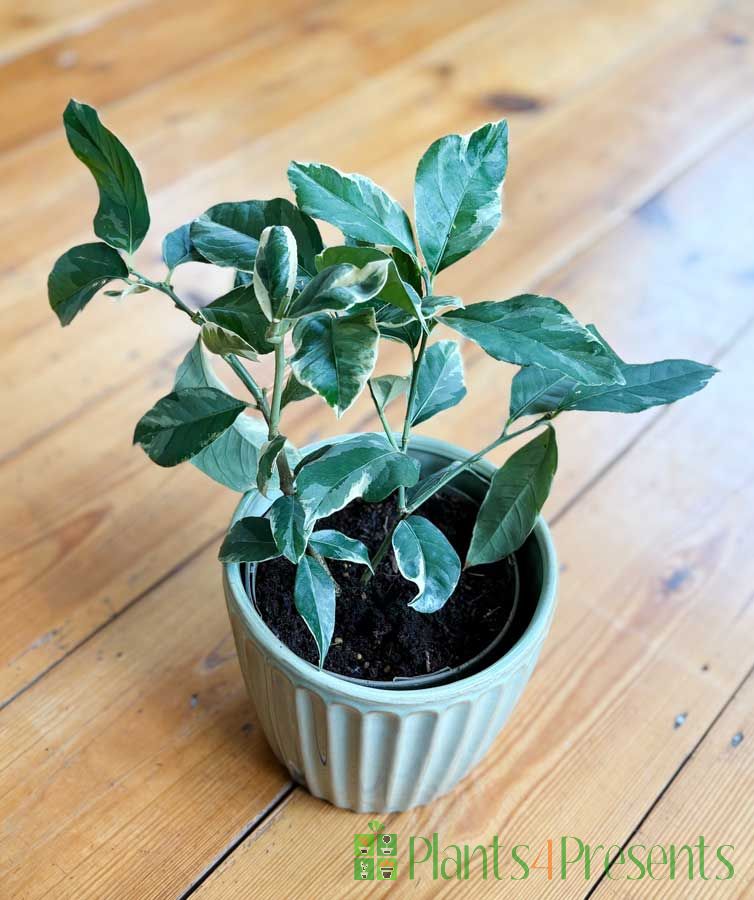
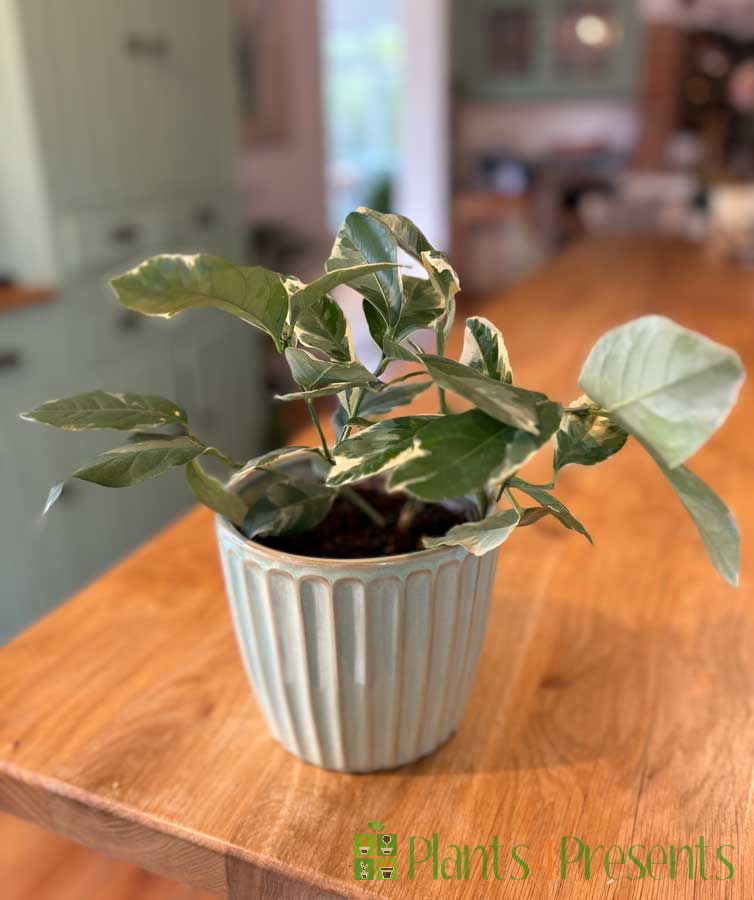
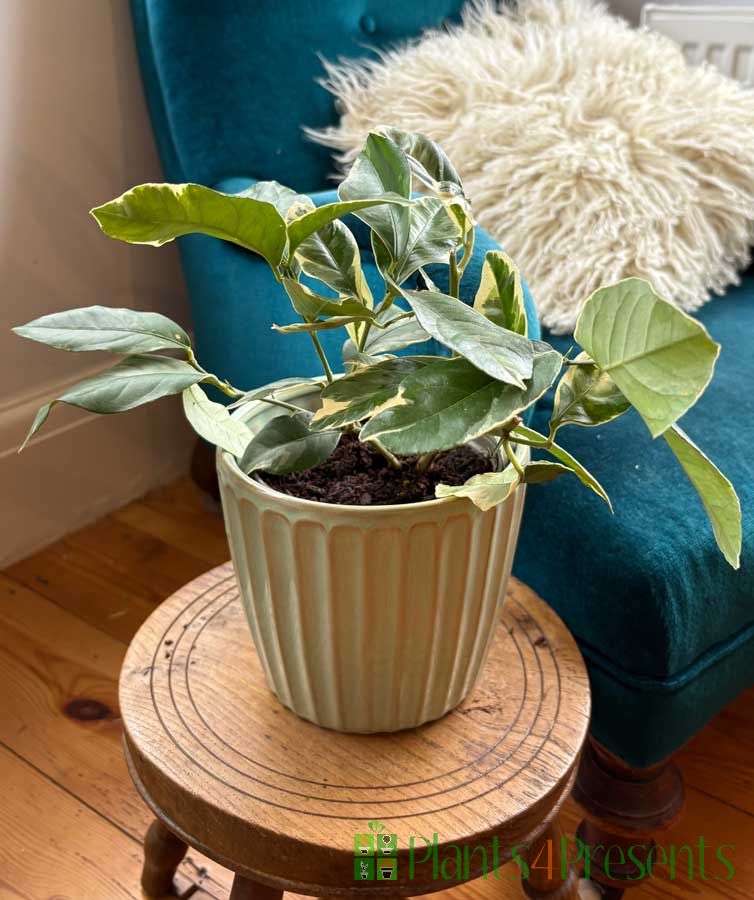
Young Variegated Lemon Bush
In stock
- Unusual variegated lemon
- Strong 2-3 year old plants that will grow on in time
- Next or named day delivery from just £6
At Plants4Presents we are citrus specialists so we love the weird and wonderful varieties. We're delighted to launch these younger variegated lemons and can't wait to watch them grown on and fruit and flower in due course.
The variegation does always vary a little bit from plant to plant but some of the fruits themselves will take on the variegation which makes for a great talking point.
Delivered as pictured as strong young bushes, like most citrus they will appreciate a sunny, frost free spot indoors for the winter months. Great gifts for citrus collectors or those who like to grow something a little bit different, a choice of stylish pots is included in the price.
Bred for their attractive foliage, the fruits on these variegated lemons are tasty too and make striking additions to drinks and cocktails.

These instructions are sent with the plant gift
This unsual lemon tree has variegated leaves, but produces fragrant flowers and edible lemons, sometimes both at once. Your young plant will grow on and start to produce flowers and its first fruits within the first year or 2. It can bring pleasure for years, with the right care.
Citrus trees need lots of light. A conservatory is ideal, but they will also be happy near a window in a cool, bright room. In the summer and autumn, your citrus will thrive outdoors in full sun or partial shade. However, these trees are not hardy and will need to come inside as soon as the outdoor temperatures are near 5 degrees Celsius. When indoors, try to keep your plant away from cold draughts and any heating source.
Citrus are best kept in small pots here in the UK, they will need to be monitored regularly to check when the topsoil is dry. It is best not to have them on a routine water and let them tell you when they are next ready for a drink. When the topsoil is bone dry, remove the pot from the outer pot cover. Water thoroughly from the top until excess water drains right through the pot and out of the bottom and never leave your plant sitting in water. Sometimes if the soil is very compact this may take several waterings and is easiest to do in a kitchen sink. In the winter you should expect to water thoroughly still, making sure to soak the soil, but you might only need to do this once from anything between 1 to 4 weeks, depending on how quickly the soil dries out. In the summer months you may need to water every other day, but do not stand your plant in water. Don’t worry if the soil feels dry between waterings, but if the leaves start to droop or curl you know it is thirsty, so water straight away. If you are having gradual leaf drop where you have a few leaves falling off each day, your plant is being overwatered.
In the summer, citrus trees will benefit from summer citrus feed every week to encourage growth, We use our Summer citrus fertiliser from March until the end of September. Through winter, from October until the end of February, we use the winter citrus fertiliser every time we water.
Citrus grow quite slowly; if you need to, repot in the spring only going up 1 pot size using a fast-draining compost suitable for container plants. As a general rule, citrus tend to produce flowers in late spring followed by small green fruits that can take 10 months or more to fully ripen. However, in this country, many varieties don’t follow a strict season and can fruit or flower at any point during the year. It may be a year or 2 before your young plant flowers for the first time.
Problem solving:
Citrus trees are not the easiest of plants but they are very rewarding. Look out for signs of trouble and try to treat problems early. The most common problem is leaves dropping due to over or under-watering. If leaves are crisp when they drop, this is due to underwatering; if they are leathery the chances are it has been over-watered. A return to a regular and thorough watering routine should lead to recovery.
If new growth is very light in colour or has mottled markings your plant may be lacking trace elements. A good dose of citrus feed should soon green up the leaves.
Our citrus trees are grown in a pesticide-free environment. In the unlikely event that you find pests, e.g. aphids, these can be removed by hand or with a soap and water spray. Check our recommended organic plant pest treatment for other pests here.
We also have several pages and a video on more detailed citrus care here.