
Recycling with Purpose at Plants4Presents
The horticultural industry is still heavily reliant on plastics and single use materials. Too often we see plants from major online retailers shipped in shrink wrapped sleeves, bubble wrap, vacuum packed plastics and nylon ties. But when you’re sending a living, long lasting plant gift, something that is chosen to be nurtured and enjoyed for years, all that waste feels completely at odds with the sentiment behind the gift.
At Plants4Presents, we believe sending plants should never come at the expense of the planet.
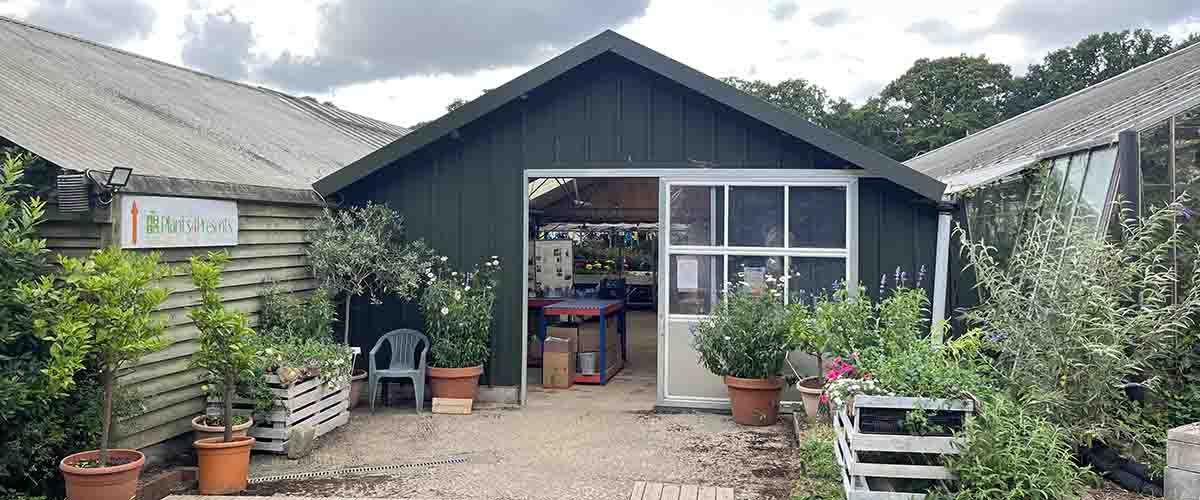
Reduce, reuse, recycle… properly!
From the very beginning, we’ve worked hard to minimise waste and choose packaging materials that make sense environmentally as well as practically.
We only use fully recyclable and/or compostable packaging to send our plants, and we try to make it as easy as possible for our plant recipients to sensibly reuse or recycle this packaging with clear messaging and materials that are easily recycled at kerbside.
We source our plants from a wide range of growers, and it’s been good to see over the last few years that shrink wrap trolleys and polystyrene are becoming a thing of the past. However, plants do still arrive with us in plastic trays and cardboard packaging to protect them in transit and we are often left with cardboard and plastics arriving on site that we need to manage responsibly.
That’s why we were delighted to find a local Sussex-based recycling specialist, S4B, who can turn our waste and recycling into other useable products, even pet bedding!
Our 2025 achievements
In 2025, our recycling efforts delivered measurable results which we’re incredibly proud of. Between January and December 2025, Plants4Presents recycled all of the excess plant trays and pots that came into the nursery and all of the cardboard packaging from our suppliers.
We love seeing how the numbers stack up:
Plastic recycling - 297kg of plastic recycled
Equivalent to saving:
- 925 litres of oil
- 1,715 kWh of electricity
- 0.5 tonnes of CO₂
- 7 cubic metres of landfill
Cardboard recycling - 816kg of cardboard recycled
Equivalent to saving:
- 5,712 litres of water
- 3,264 kWh of electricity
- 0.3 tonnes of CO₂
- 14 trees
Recycling at Plants4Presents doesn’t just happen by accident. It’s a carefully managed, end-to-end process.
Turning waste into happy animals
If you’ve seen our socials, you’ll already know our hardworking nursery cats, Parker and Holland. As pet people, we were pleased that S4B can transform our waste cardboard into pet and horse bedding. Instead of heading to landfill, our cardboard keeps animals toasty and comfortable, and it is a perfect example of how thoughtful recycling can create smart, positive outcomes.
All recyclable materials are carefully separated at the nursery. Clean cardboard is flattened and baled in our cardboard baling machine for dry, compact storage. Plastics are sorted by type, and contamination is kept to an absolute minimum. Anything we can reuse stays in circulation for as long as possible.
Our recycling is collected directly from the nursery by S4B who are based less than 15 miles from us, keeping transport miles low and ensuring materials are handled responsibly.
At S4B’s facility, good quality, uncontaminated cardboard is extracted and reused to make animal bedding products. Any cardboard that is damp or contains too much tape or staples is baled and sent for traditional recycling instead. Plastics are sorted and cleaned and sent to recycling facilities to be made into new products such as bags, bottles and even furniture.
Every kilo of material collected is tracked. These figures are converted into certified environmental savings, the data behind our 2025 recycling certificates.
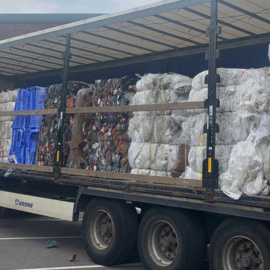
Baled recycling is collected and taking for responsible processing
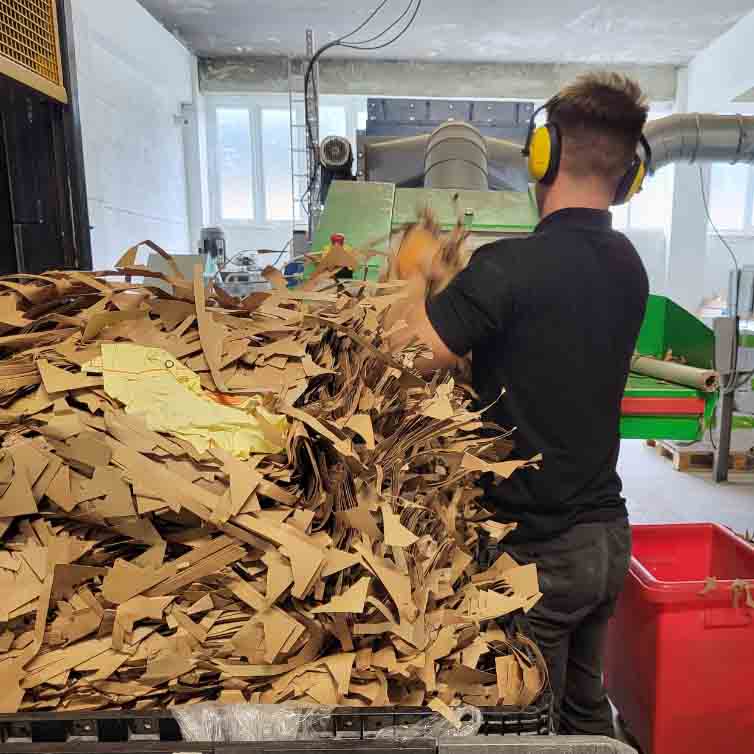
Clean cardboard is carefully sorted and shredded, ready to be made into new products

Happy pets and horses enjoy bedding made from recycled, high quality cardboard
Growing smarter at the nursery
Because we grow many of our plants on site, we can control a large part of our environmental impact. Seed trays are reused wherever possible, we use biodegradable, compostable bio pots for growing, and plastic on site is kept to an absolute minimum, though some remains unavoidable. Everything we can reuse, we do. Everything we can’t, we recycle.
Packaging is an area we continually review and improve. All office paper, plant care instructions and greeting cards are printed on recycled paper. Our soil retaining bags used for delivery are biodegradable, compostable starch bags and tied with natural raffia, the tape used to seal boxes is made from paper rather than plastic, and the Tenzalope document wallet for the greetings cards is fully compostable. Our shipping boxes are made from recycled material, and gift wrapping tissue and kraft papers come from sustainable sources and are fully recyclable.
All this means that when you receive a plant gift from Plants4Presents, you can confidently recycle or compost all our packaging at home. But you can also be reassured that our practices behind the scenes, match our efforts with the public face of our business.
If you’d like to see how we operate behind the scenes, we’d love to welcome you to one of our upcoming Open Days. It’s a great opportunity to learn more about how we grow, pack and recycle. You can pick up a few plant bargains too and meet our fantastic team (including Parker and Holland!).
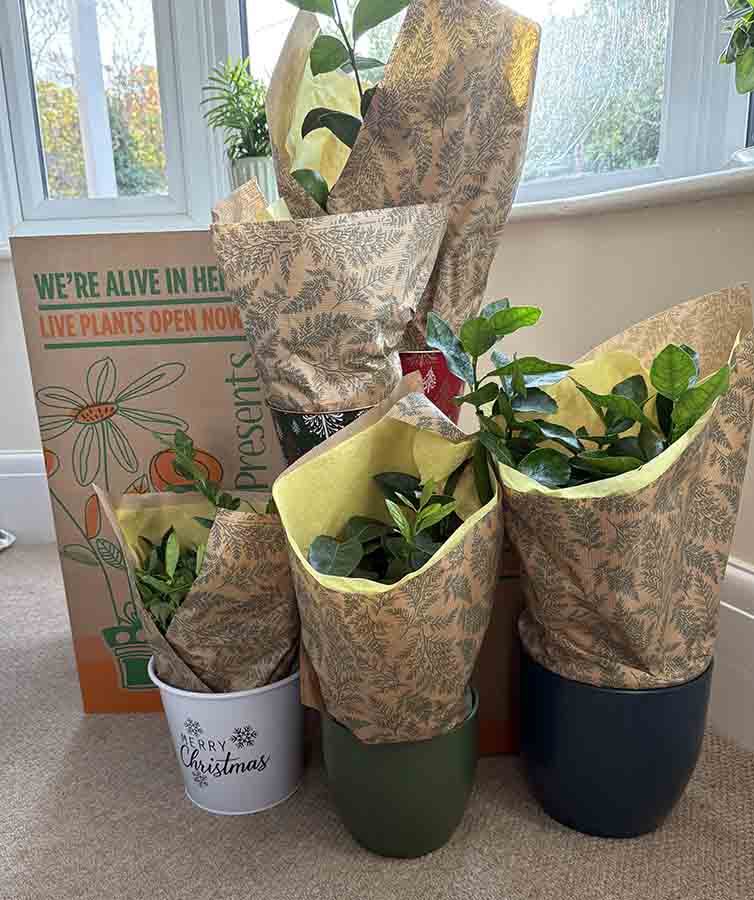
Our giftwrapping is completely plastic free so it can be recycled at home
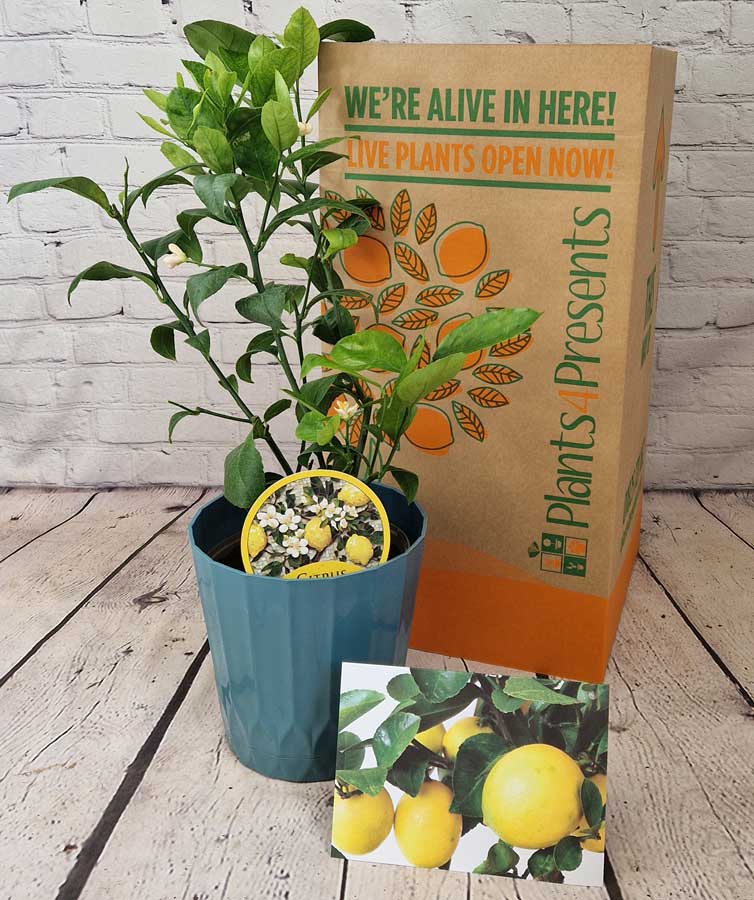
All our plants are packed in fully recyclable boxes for their journey to you
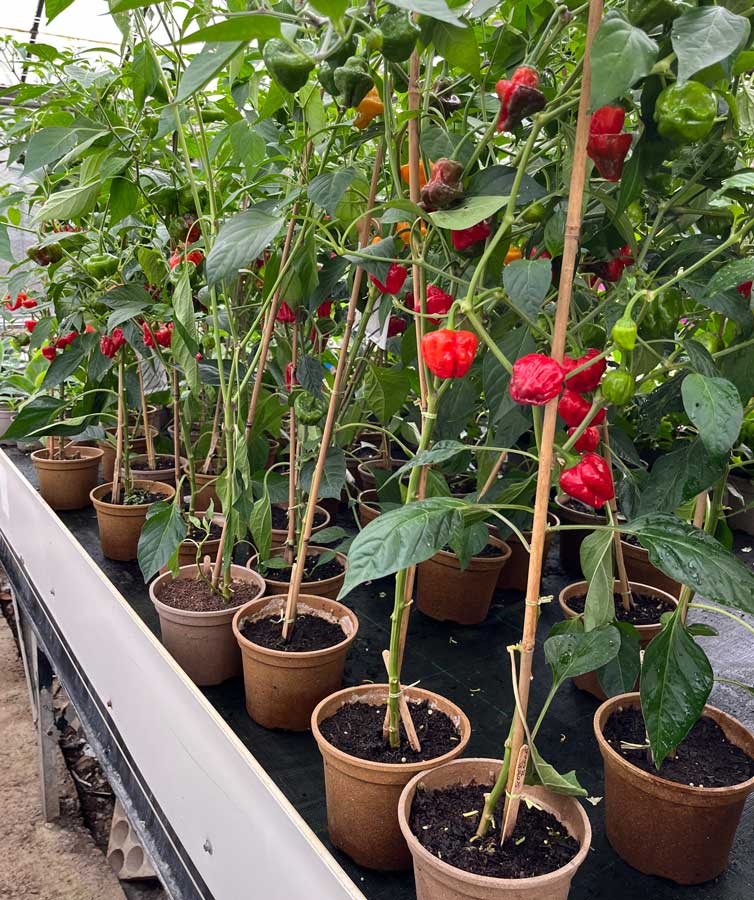
Plants grown onsite at our nursery are planted in compostable bio pots
Why all this matters
Positive change is happening. As demand for more sustainable materials grows, horticultural suppliers are responding, and pressure from consumers and smaller, value-driven businesses genuinely helps to move things forward. Thoughtful choices, like considering what your recycling is turned into, really can make a difference.
If your horticultural business is looking for a better way to manage recycling, we’d be very happy to share what we’ve learned.
You can read more about our wider commitments here: Environmental Policy and Net Zero Pledge
 © Plants4Presents 2024